
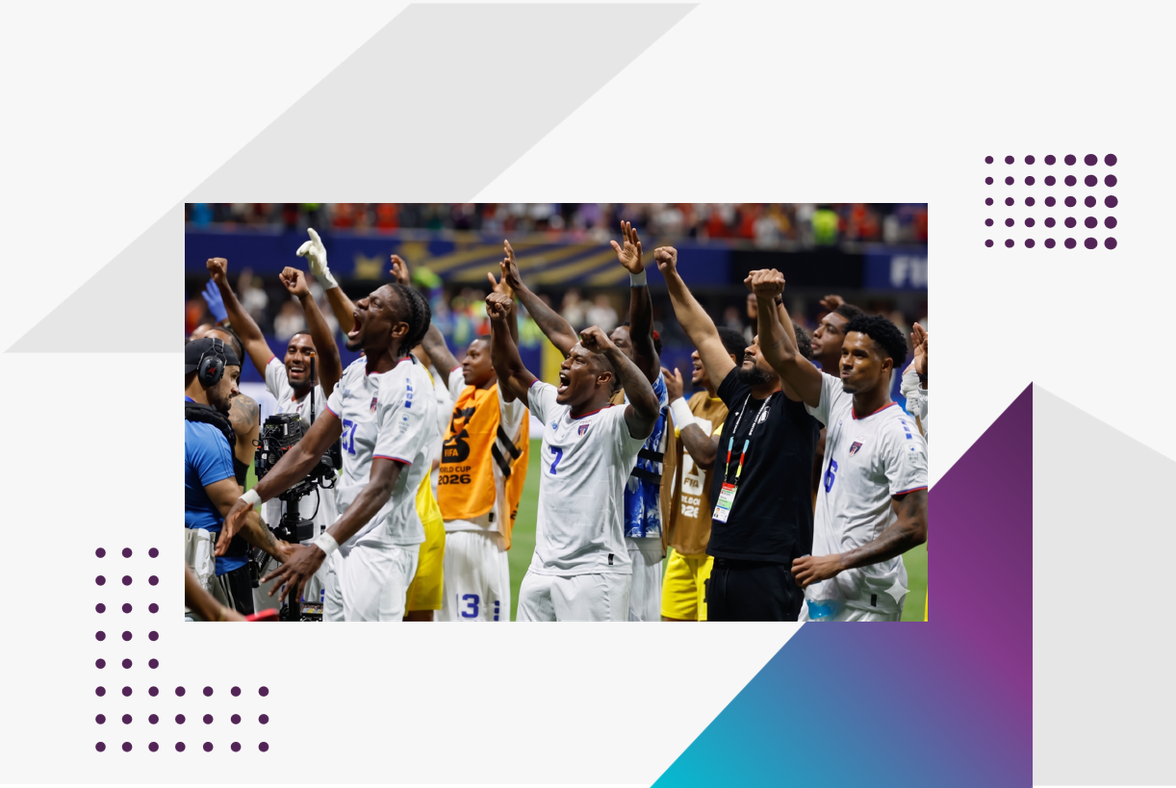
Africa Is Rising - How African Teams Are Shining at the World Cup

cape verde

Africa’s World Cup story is no longer about participation. It is about performance, scale and belief. As of the end of the group stage on June 27, African teams have played 30 matches, won 10, drawn 10, scored 40 goals and sent 9 of their 10 teams into the Round of 32. Only Tunisia failed to advance. That is not just a good tournament. It is the strongest collective African performance in World Cup history. The message is clear: Africa is no longer showing up as an outsider. Africa is competing, qualifying and shaping the tournament.

The Data: Africa’s Best Collective Showing

table

The most important number is not only points. It is the qualification rate. Africa converted 90% of its World Cup slots into knockout-stage teams. That is higher than Europe, higher than South America, higher than CONCACAF and far ahead of Asia/Oceania. This is the strongest argument for Africa’s growing football depth. The continent did not rely on one miracle team. It produced nine competitive stories.

Nine African Stories, One Continental Signal

Morocco remains the benchmark. After holding Brazil and finishing level on points with them, Morocco continues to prove that its 2022 semi-final run was not a one-off. It was the beginning of a new standard. Ivory Coast has made history. With two wins from three matches, four goals scored and only two conceded, the Elephants reached the World Cup knockout stage for the first time. Their campaign shows discipline, experience and tournament maturity.

South Africa delivered a comeback story. After losing to Mexico, Bafana Bafana drew with Czechia and beat South Korea to reach the Round of 32. For a team returning to the global stage, that is a major statement. Ghana advanced despite a final-game loss to Croatia. The Black Stars showed structure and control, including a clean-sheet draw against England and a win over Panama. Their campaign was built less on chaos and more on discipline.

Egypt advanced with balance and resilience, finishing unbeaten with a win and two draws. Cape Verde became one of the stories of the tournament, qualifying from a group with Spain, Uruguay and Saudi Arabia after three draws. For a small island nation making its debut, that is extraordinary.

Senegal looked in trouble after two defeats, then responded with a 5–0 win over Iraq to qualify as a third-place team. Algeria recovered from a heavy opening loss to Argentina, beat Jordan, then survived a dramatic 3–3 draw with Austria. DR Congo made history by beating Uzbekistan 3–1 and reaching the knockout stage for the first time. Together, these stories show a deeper truth: African football is no longer dependent on one golden generation or one exceptional country. The base is widening.

Beyond Football: African Brands Are Winning Too

The World Cup is one of the world’s largest marketing platforms. Every African goal, upset and qualification moment creates value for the brands attached to African football. Royal Air Maroc benefits from Morocco’s continued rise, positioning itself as a symbol of Moroccan ambition and global connectivity. Orange continues to benefit from its long association with African football and national teams. Pan-African brands such as Ecobank, TotalEnergies, telecom operators, banks, breweries and national sponsors also gain when African football becomes a shared cultural moment.

Global brands win too. Adidas, Puma and Nike benefit every time African teams extend the life of their kits, campaigns and player stories. The opportunity is bigger than visibility. It is emotional equity. When a national team performs, fans do not just watch. They feel pride, optimism and belonging. The brands closest to that emotion can build stronger connections with consumers.

Individual Heroes Are Becoming Global Assets

Every World Cup creates new stars, and Africa has produced many. DR Congo’s goalkeeper and defensive unit became symbols of resilience, especially in tight matches against Portugal and Colombia before the decisive win over Uzbekistan. Yoane Wissa’s performance against Uzbekistan gave DR Congo a historic platform and turned the team into one of the tournament’s great stories.

Cape Verde’s goalkeeper became part of the tournament’s emotional narrative, helping the debutants hold Spain, Uruguay and Saudi Arabia. Morocco’s stars continue to carry global credibility. Ivory Coast’s experienced players showed tournament maturity. Ghana’s defensive leaders gave the team structure. South Africa’s match-winners gave Bafana Bafana a new identity. These individual performances matter commercially. They create new faces for campaigns, new ambassadors for brands and new narratives for African excellence.

For marketers, this World Cup is not only a sports event. It is a consumer emotion event. Football is one of the few platforms that connects consumers from Casablanca to Cape Town, Dakar to Nairobi, Accra to Kinshasa. When African teams win, the emotional signal travels across borders. The brands that benefit most will not simply be those that bought sponsorship rights. They will be the brands that act quickly, tell authentic stories and connect their products to African pride, youth culture and continental confidence.

The bigger story is clear. Africa’s performance is becoming broader, deeper and more measurable. Morocco brings elite credibility. Ivory Coast brings history. South Africa brings revival. Ghana brings discipline. Egypt brings maturity. Cape Verde brings inspiration. Senegal brings resilience. Algeria brings drama. DR Congo brings breakthrough.

Africa is also shining beyond the pitch through fans, fashion, music, colours, storytelling and identity. African football is not only exporting players to the world’s biggest leagues. It is exporting confidence, culture and belief. Africa is rising and at this World Cup, the proof is on the scoreboard.

About Kasi Insight

Kasi Insight is Africa's leading decision intelligence firm specializing in high-frequency consumer and economic data across Africa. Through its proprietary survey infrastructure and analytics platform, Kasi provides real-time insights that help organizations anticipate economic shifts, understand consumer behavior, and make better strategic decisions.

We welcome collaboration with:

  • Banks and financial institutions
  • Asset managers and investors
  • Policymakers and development organizations
  • Academic researchers
  • FMCG and consumer goods companies
  • Media, advertising, and communications agencies
  • Healthcare and pharmaceutical organizations
  • Multinational corporations and regional businesses seeking market intelligence

Organizations interested in exploring partnerships or accessing Kasi datasets are invited to contact our research team.

📧 yannick@kasiinsight.com


Recent posts

See all

Yannick Lefang, Eng

Africa’s World Cup Opening Round: No Longer Just Underdogs

Dinah Nekesa

Football Reveals Africa’s Next Billion Consumers

Sandra Beldine Otieno

While Patriotism Trumps Football, Africans Expected Cameroon To Win It All

Subscribe to our free newsletter