Reports
January 4, 2022
Share


Overview
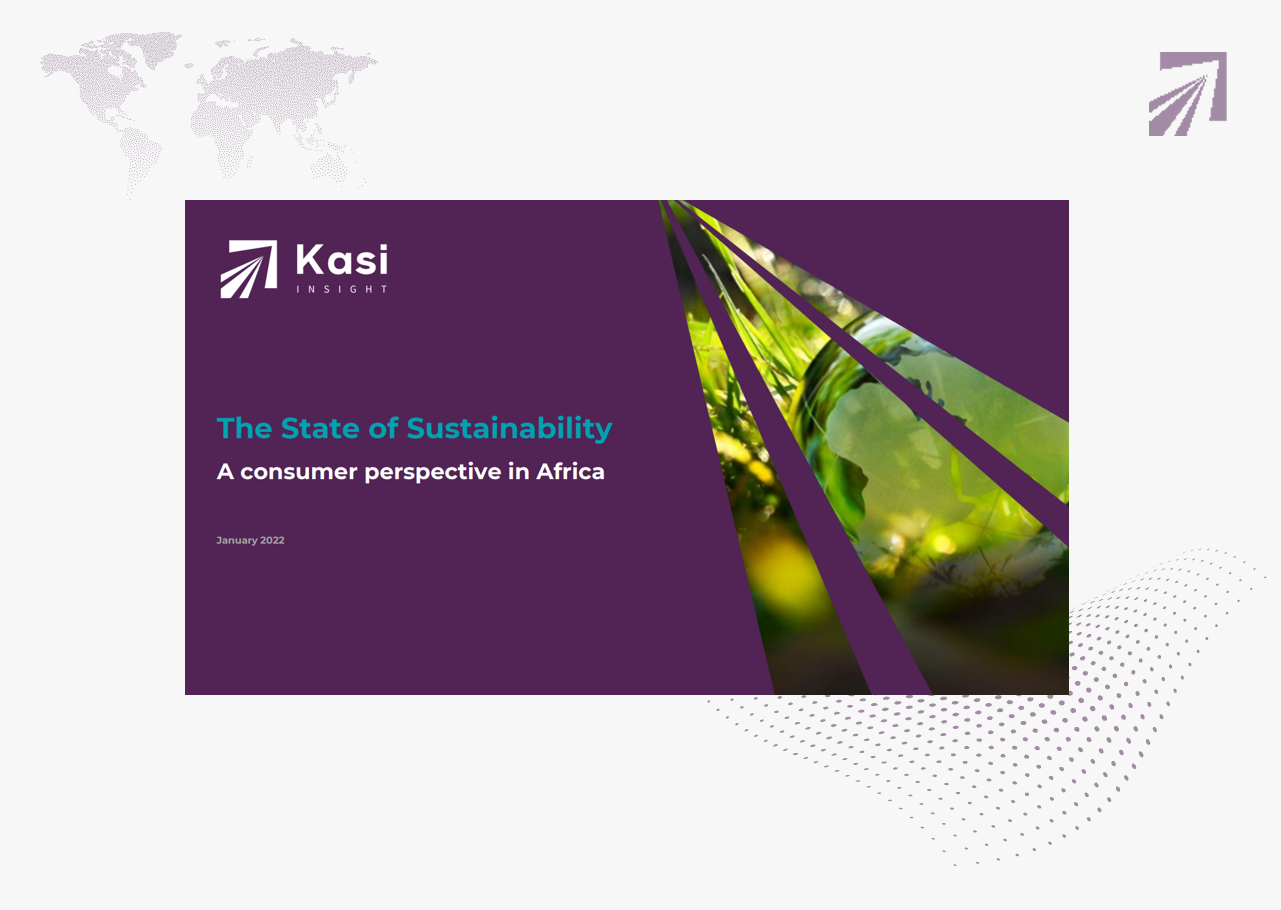
The "State of Sustainability" report for January 2022 provides a comprehensive understanding of consumer perspectives on sustainability in Africa. The report delves into climate awareness, sustainability as a purchase driver, and the overall sustainability performance of various industries across multiple African markets.
Key Takeaways:
Climate Awareness: The report highlights that African consumers exhibit a high level of climate awareness, expressing concern about climate change, global warming, and planet protection. The awareness levels vary across different African countries, with some nations showing exceptionally high awareness scores.
Sustainability as a Purchase Driver: Over 96% of respondents prioritize sustainability factors when making purchasing decisions. The report identifies specific sustainability factors, such as natural and organic ingredients, as crucial influencers in consumer choices.
Overall Sustainability: The Sanitation and Waste Management Industry receives low marks for overall sustainability, while Bank & Financial Institutions perform comparatively better. The report notes disparities in sustainability performance across countries, with specific industries excelling or lagging in different regions.
Ethical Business: The ethical performance of industries is assessed, revealing that Sanitation and Waste Management Industries fare poorly, while Bank & Financial Institutions and Telecommunications perform better in terms of ethical business practices.
Social Sustainability: Industries related to Sanitation and Waste Management, Government, and Industrial Manufacturing are deemed poor performers in social sustainability. Notably, Telecommunications, Banks & Financial Institutions, and Food and Beverage Manufacturers show efforts to enhance social sustainability.
Environmental Sustainability: The report evaluates various industries in terms of environmental sustainability. Industrial Manufacturers, Sanitation & Waste Management, and Mining/Oil & Gas Companies receive low ratings. The environmental sustainability performance varies across countries, indicating specific strengths and weaknesses in different markets.
Methodology
The survey, conducted in September 2021, involved 5,528 African consumers across 12 countries. The Random Sampling Intercept Methodology was employed, recruiting respondents through random selection at multiple interview sites. The margin of error is reported at +/-1%, ensuring a high level of reliability. The data was analyzed based on three lenses: Environmental, Ethical, and Social Sustainability.
The report underscores the critical role of sustainability in consumer preferences across Africa. It provides insights into the strengths and weaknesses of various industries in terms of overall sustainability, ethical business practices, social responsibility, and environmental conservation. Understanding these consumer perspectives is essential for businesses and policymakers seeking to align their strategies with sustainable practices and meet evolving consumer expectations.