
Alison Okatch
April 15, 2026
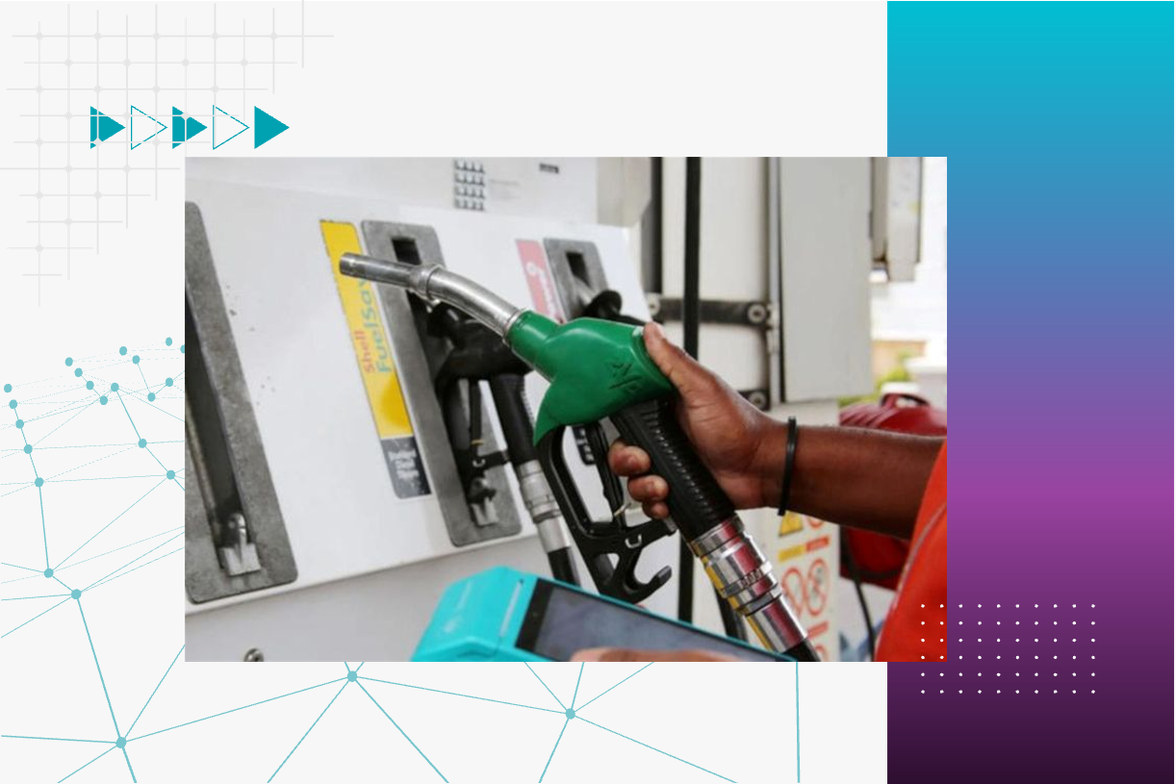
Fuel prices in Kenya have climbed back above KSh 205 per litre, reintroducing a familiar pressure point in the cost-of-living cycle. While often treated as routine fuel adjustment, historical patterns show it is far more consequential: fuel acts as one of the strongest transmission channels into household budgets, shaping transport costs, food prices, and ultimately consumer sentiment.
Looking at past cycles, particularly in 2023 when fuel moved above the KSh 200 threshold, consumer sentiment turned negative and remained subdued for several quarters. Even when prices eased slightly thereafter, sentiment did not recover quickly, reflecting how sustained fuel pressure reshapes household behavior. This highlights a key insight: it is not only the level of fuel prices that matters, but the duration of pressure at elevated levels.

At this threshold, the first impact is immediate through transport costs, which rise quickly and cascade into higher logistics expenses for businesses. These increases filter into essential goods, particularly food and FMCG products, reinforcing a broader cost-of-living squeeze. As seen in previous cycles, households respond by tightening budgets, prioritizing essentials, and reducing discretionary spending, leading to a visible shift in consumption patterns.
If fuel remains elevated over the next few months, the risk is not a short-term shock but a sustained drag on consumer sentiment and demand. This typically defines a 1–3-month adjustment window where household spending becomes more cautious, and broader economic momentum softens.
For investors and financial institutions, this environment reinforces the importance of tracking leading indicators of consumer stress. Consumer sentiment trends provide early warning signals of emerging credit risk, while fuel price movements remain a primary driver of household financial pressure. At the same time, shifts in household spending patterns, particularly reductions in discretionary consumption, often precede broader slowdowns in demand and credit performance. Taken together, these signals offer a more forward-looking view of economic risk than traditional lagging indicators alone.
At Kasi Insight, we track these dynamics to understand not just current conditions, but the direction of the cycle before it fully unfolds. Fuel price movements, when interpreted alongside consumer sentiment, provide a powerful lens into upcoming shifts in demand and resilience. This is not an isolated moment, but the early phase of a broader cycle—one that will define household behavior, business performance, and economic momentum in the months ahead.
About Kasi Insight
Kasi Insight is Africa's leading decision intelligence firm specializing in high-frequency consumer and economic data across Africa. Through its proprietary survey infrastructure and analytics platform, Kasi provides real-time insights that help organizations anticipate economic shifts, understand consumer behavior, and make better strategic decisions.
We welcome collaboration with:
Organizations interested in exploring partnerships or accessing Kasi datasets are invited to contact our research team.
📧 yannick@kasiinsight.com
#KenyaEconomy #FuelPrices #ConsumerSentiment #CostOfLiving #AfricaMarkets #KasiInsight #EconomicOutlook #ConsumerBehavior #Inflation #MarketInsights #KenyaMarkets
15 views
Uganda Banking Sector 2025: Growth with Discipline, What Marketing Signals Reveal About Balance Sheets
Kenya Banking Sector 2025: Reading the Balance Sheet Through Marketing Signals
How Consumer Sentiment Predicts South Africa’s Credit Cycles