
Sandra Beldine Otieno, MSc
October 18, 2024
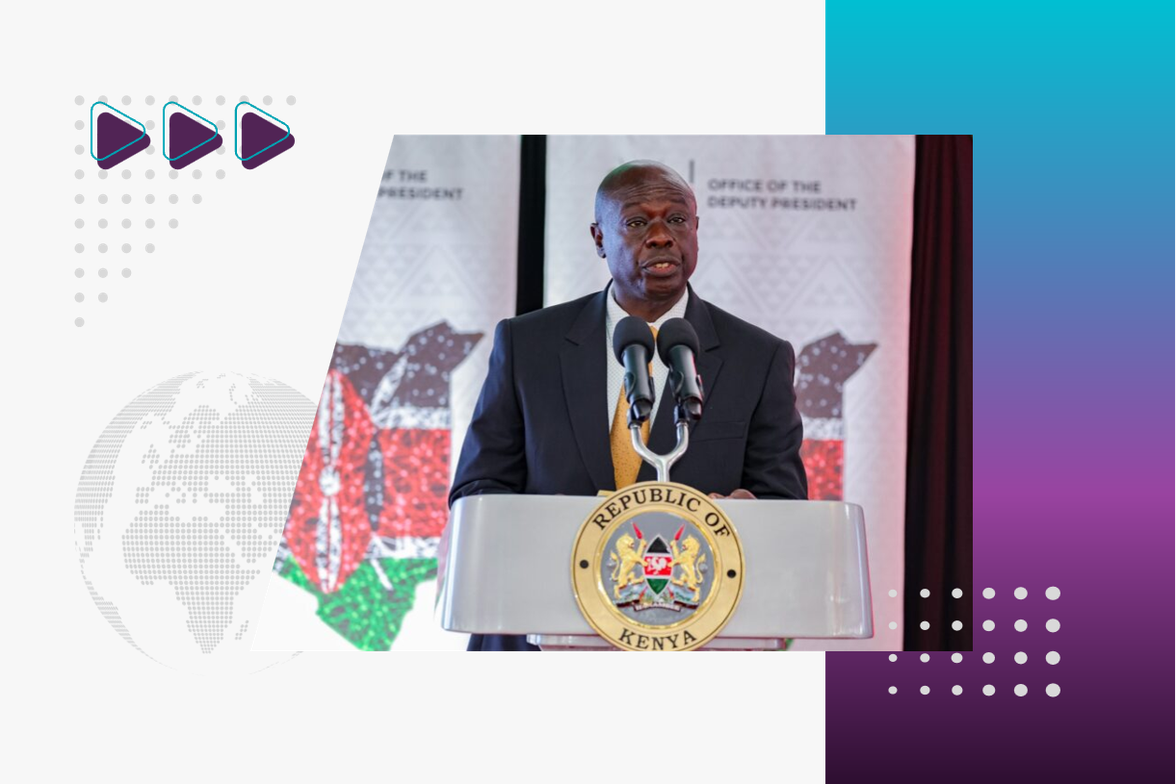
On October 17, 2024, Deputy President Rigathi Gachagua became the first high-ranking Kenyan official to be impeached under the 2010 Constitution. The Senate’s decision followed an overwhelming vote by the National Assembly on October 8, marking the end of Gachagua’s term as Deputy President. He faced 11 charges, including corruption, inciting ethnic violence, and insubordination, but was found guilty of five. Despite claiming that the charges were politically motivated, Gachagua’s impeachment proceeded swiftly, illustrating the shifting power dynamics within Kenya’s leadership. His impeachment reflects a historic moment where the constitutional process was fully utilized to hold a top official accountable, emphasizing the role of governance and accountability in Kenya’s political evolution.
The impeachment of Rigathi Gachagua fits into a broader trend in Kenyan politics, where presidents and their deputies often clash, leading to significant fallouts. Gachagua’s case mirrors past political rifts, such as those between Jomo Kenyatta and Oginga Odinga, and more recently, the breakdown between Uhuru Kenyatta and William Ruto. Once a close ally to President Ruto, Gachagua’s relationship soured over time, particularly after he openly criticized the administration’s response to nationwide protests and tax increases. His removal demonstrates the precarious nature of political alliances in Kenya, where deputies, initially seen as valuable assets, can quickly become liabilities when internal power dynamics shift.
Gachagua’s impeachment also underscores how political survival often hinges on loyalty and alignment with the president’s agenda. His departure leaves a vacuum in Mount Kenya, a politically strategic region, raising questions about how his removal will affect regional politics and upcoming elections. The ethnic and regional dimensions of this impeachment are critical, as Gachagua’s strong base in Mount Kenya is now politically destabilized. This case highlights the deep-rooted complexities in Kenya’s political structure, where ethnic and regional loyalties play significant roles in shaping political alliances and outcomes.
Following Gachagua’s impeachment, Interior Cabinet Secretary Kithure Kindiki was swiftly nominated and approved by Parliament as the new Deputy President. Kindiki’s appointment, just one day after the Senate’s decision, signals President Ruto’s efforts to restore stability within his administration. As a close and trusted ally of Ruto, Kindiki is expected to reinforce Ruto’s grip on power and help steer the administration away from internal divisions. However, Gachagua’s supporters have not accepted his removal quietly, and he has filed a court challenge to stop the swearing-in of Kindiki, extending the political drama and raising the possibility of further legal battles.
The swift transition to Kindiki’s leadership suggests that Ruto is keen to consolidate his political position, especially as Kenya navigates an increasingly tense political landscape. While Kindiki’s rise may bring temporary stability, Gachagua’s removal has undoubtedly left a mark on the country’s political dynamics. His exit from power will likely trigger realignments within the political elite, particularly in Mount Kenya, where his influence was strongest. The implications of this shift will be felt across Kenya’s governance as the country continues to grapple with the challenges of maintaining a stable and accountable leadership.
The impeachment of Rigathi Gachagua has set a new course for Kenya’s political landscape, but the full implications of this event are yet to be seen. While the move signals the strength of the constitutional checks and balances, it also raises questions about how this will reshape future political alliances, particularly in key regions like Mount Kenya. The rise of Kithure Kindiki may bring temporary stability to the Ruto administration, but the underlying tensions, both political and regional, will continue to influence the direction of Kenyan politics.
As the country reflects on this historic moment, Gachagua’s impeachment may serve as both a warning and a signal of change—where political accountability is no longer an option but a necessity. Kenya’s evolving political environment will likely continue to challenge leaders to navigate shifting alliances and power structures with greater care. The path forward is uncertain, but what is clear is that the precedent set here will reverberate through Kenya’s political system for years to come.
Share on socials using this caption: 🔴 Historic Moment in Kenya: Deputy President Rigathi Gachagua has been impeached, the first under the 2010 Constitution. What does this mean for Kenya’s leadership and future? 🇰🇪 Stay informed on the latest political shifts. 📊 #Kenya #Impeachment #RigathiGachagua #LeadershipChange #Governance #Accountability
1702 views
The Future of AI in Africa Lies in Smarter Decisions, Not Just Smarter Models
Africa’s Critical Minerals: From Hidden Resource to Economic Catalyst
Perceptions of climate inaction persist among Ghanaian consumers, driven by income disparities