
Segun Sunmonu
January 28, 2025
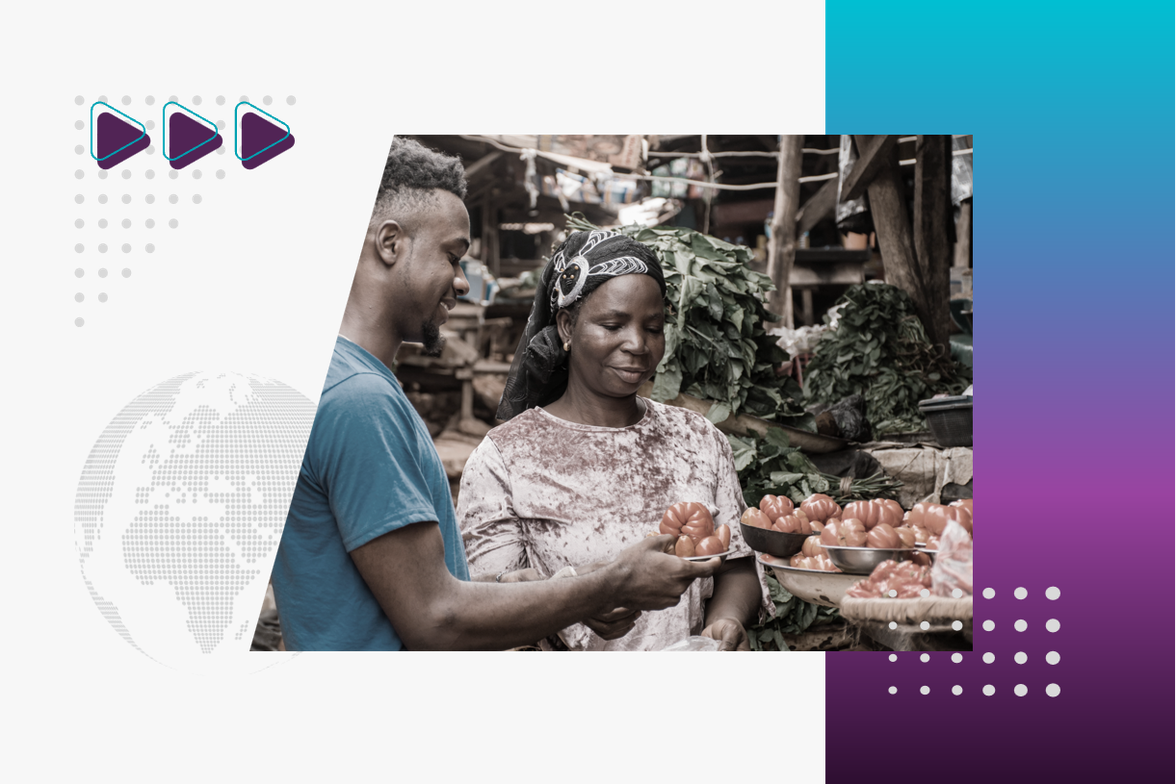
Outdoor and open-air markets remain the leading choice for Tanzanians purchasing groceries, reflecting their vital role in the shopping ecosystem. Kasi Insight's Consumer Basket Purchase Survey Tracker, conducted yearly, reveals that 45% of shoppers prefer these markets for their regular grocery needs. This survey provides a comprehensive understanding of where Tanzanians shop, what they prioritize, and what drives their loyalty, offering valuable insights for retailers planning their strategies for 2025.
The universal appeal of outdoor markets transcends demographic boundaries. Gen Z shoppers (48%), Gen X shoppers (45%), and women (47%) exhibit a particularly strong preference for these markets, driven by the fresh produce offerings and the affordability they provide.

While modern supermarkets and hypermarkets are gaining traction, they come in as a secondary option, preferred by 32% of shoppers. These establishments appeal particularly to Baby Boomers (40%), who prioritize convenience and a wider variety of products under one roof. Traditional neighborhood grocers cater to 19% of consumers and hold a special place among Millennials (27%) largely due to their proximity and the trust consumers have built with small-scale vendors. However, online retail and specialist food stores remain niche, appealing to just 2%-4% of respondents.
When it comes to fresh fruits and vegetables, outdoor markets emerge as the unrivaled choice, preferred by 54% of Tanzanian consumers. This dominance is even more pronounced than for regular grocery shopping, reinforcing the perception that these markets are the most reliable and affordable source of high-quality fresh produce. Millennials lead this preference, with 59% favoring outdoor markets for their fruit and vegetable needs. Similarly, low-income groups (57%) and middle-income shoppers (55%) rely heavily on these markets, further emphasizing their role in providing affordable and fresh options to the broader population.

Modern supermarkets and hypermarkets, while less dominant, still play an important role in fresh produce shopping, catering to 18% of consumers. Baby Boomers (29%) and high-income groups (23%) are particularly drawn to supermarkets, likely due to the convenience, organized displays, and perception of quality assurance they offer. Traditional neighborhood stores follow closely, appealing to 17% of shoppers, with Millennials (23%) and low-income consumers (29%) showing a higher preference for these stores. Online retail and specialist stores, though still in their infancy, are beginning to carve out a niche among high-income consumers. Online stores are favored by 14% of affluent shoppers, driven by the convenience of home delivery and the ability to access premium or exotic produce that may not be readily available in physical stores.
Outdoor markets dominate grocery and fresh produce shopping in Tanzania, appealing to a wide demographic for their affordability and accessibility. Retailers should collaborate with market vendors to improve hygiene, organization, and introduce innovations like better packaging and cashless payment options to enhance the shopping experience. Modern supermarkets, though secondary, present growth potential by addressing convenience and variety needs. To attract Millennials and low-income shoppers, supermarkets should focus on fresh produce availability, loyalty programs, and creating engaging in-store experiences. Promotions and affordability will be key to increasing foot traffic.
Traditional neighborhood grocers cater to Millennials and low-income groups who value proximity and community ties. Retailers can strengthen these stores by offering better supply chains, competitive pricing, and localized promotions to ensure they remain a vital part of the shopping ecosystem. Online retail, while small, is growing among high-income consumers. Retailers should invest in user-friendly e-commerce platforms, reliable delivery services, and digital marketing campaigns to build trust and attract new users. Addressing quality and timeliness concerns will encourage adoption of this channel.
Share on socials using this caption: 🌍🛒 Where Tanzanians Shop: Outdoor markets reign supreme for groceries & fresh produce! Retailers, it’s time to focus on affordability, trust, and convenience. 🚀 #TanzaniaShopping #FreshProduce #RetailTrends #ConsumerInsights
1880 views
Cameroon’s protein market in 2026 is shifting from habitual consumption to structured and intentional demand
Consumer Choices Post COVID-19 Are Redefining Kenya’s Beverage Landscape
Nigeria’s alcoholic beverages market shows resilience in beer but steep H1 declines in premium categories