
Yannick Lefang, Eng
July 6, 2026
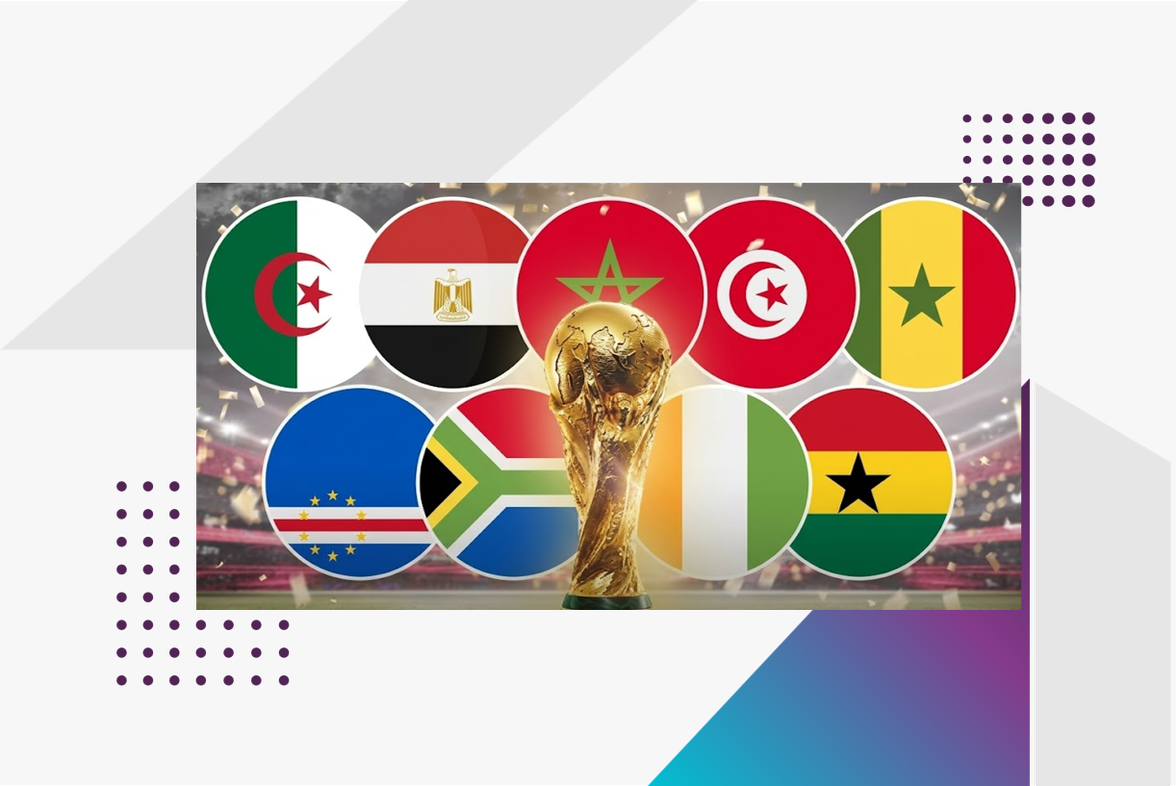
The biggest business story from the 2026 FIFA World Cup may not be taking place in the boardrooms of global sponsors, it may be unfolding on the pitches where African teams are rewriting football history. For the first time ever, nine of Africa's ten representatives reached the Round of 32, a historic achievement that signals the continent's growing competitiveness on the global stage. More importantly for business leaders, it created one of the largest shared consumer moments Africa has experienced in years.
Yet while African football captured global headlines, many African brands appeared largely absent from the conversation. This raises an important question: Did Africa's brands miss one of the continent's biggest marketing opportunities?
The World Cup is not simply a sporting competition, it is the world's largest attention marketplace. Industry estimates suggest brands are investing more than US$10 billion around the 2026 tournament through sponsorship, advertising, hospitality and activation, while FIFA itself expects record commercial revenues approaching US$9 billion. This is because attention has become one of the world's most valuable assets.
Every additional World Cup match generates millions of television viewers, millions of streaming hours, explosive social media conversations, increased online searches, and extensive news coverage across major markets. The excitement extends beyond the match itself, shaping consumer conversations in workplaces, restaurants, homes, and communities around the world. Unlike traditional advertising, this attention is emotionally charged. Fans are not simply watching, they are celebrating, debating, sharing, and creating lasting memories. That deep emotional engagement transforms audience attention into extraordinary commercial value for brands that are able to connect with fans at the right moment.
Every team that advances beyond the group stage creates another national moment, extending the tournament's reach and relevance. Each victory brings another prime-time broadcast, another cycle of newspaper headlines, another wave of social media content, and another day of national celebration. With nine African teams progressing, the continent effectively generated nine additional high-attention media events, significantly extending the visibility of African football while amplifying the exposure and commercial value of the brands associated with it.
Conservatively, if each additional knockout match attracts around 20 million combined domestic and regional viewers, nine African teams would generate roughly 180 million incremental television impressions before accounting for streaming, social media, radio and digital news. Once those channels are included, the total audience likely exceeds one billion cumulative media impressions across Africa and the diaspora.
Using typical digital advertising benchmarks of US$5–10 CPM (cost per thousand impressions), that volume of attention represents approximately US$5–10 million in equivalent digital media value alone. Premium live sports inventory and earned media could push the effective exposure value significantly higher. These figures are directional estimates rather than audited media valuations. The opportunity was enormous.
The sectors best positioned to benefit were those already deeply connected to consumer engagement.
Telecommunications companies such as MTN, Orange, Airtel Africa, Vodacom and Safaricom stood to benefit from increased video streaming, messaging, highlights and social sharing. Every goal generates additional data usage and digital engagement. Breweries naturally benefit from football-driven celebrations. Companies such as AB InBev, Castel, East African Breweries and Nile Breweries have long understood that football is one of the strongest consumption occasions for beverages.
Airlines also have an opportunity. Royal Air Maroc has successfully linked its brand with Morocco's football success, turning sporting achievement into a broader story about national ambition and connectivity. Sportswear brands remain among the clearest commercial winners. Adidas, Nike and Puma collectively outfit most of the participating teams, including many African nations, meaning every upset, qualification and memorable player performance extends the visibility of their products.
Surprisingly, one of the sectors with the greatest opportunity may have been banking. Africa's largest banks, including Equity Bank, Ecobank, Standard Bank, Absa, UBA, Access Bank and others, collectively spend hundreds of millions of dollars annually building brand awareness. Yet very few visibly activated around Africa's World Cup success.
Imagine the possibilities. Banks could have offered free international transfers after every national victory, cashback rewards tied to team qualification, savings campaigns celebrating national milestones, and special promotions for small businesses on match days. Football creates the kind of emotional engagement that most financial institutions spend years trying to build through conventional advertising. Similarly, many FMCG companies, retailers, and insurers continued with business-as-usual campaigns instead of responding to one of the continent's biggest shared cultural moments.
Most media coverage focused on scores, tactics, and post-match analysis, but the business story was equally compelling. Every African victory had the potential to influence consumer confidence, shape national sentiment, stimulate retail activity, boost tourism interest, increase digital engagement, enhance brand visibility, and improve advertising effectiveness. International business media routinely connects major sporting events with financial markets, consumer behaviour, and corporate performance. African media has an opportunity to do the same. Football is not just sport, it is economics.
Traditional marketing measures focus on reach, impressions, and advertising recall, but major cultural moments require a different lens. At Kasi Insight, we believe brands should begin measuring Return on Emotion (ROE), a framework that asks a different question: How effectively did a brand convert shared emotional moments into measurable business value?
Rather than focusing solely on media exposure, ROE considers a broader set of indicators, including growth in brand conversation, social engagement, search interest, positive sentiment, consumer consideration, purchase intent, and ultimately, sales uplift. Events such as the World Cup create emotionally charged environments that conventional ROI models often fail to capture. The brands that succeed are not necessarily those spending the most money, but those that become part of the story consumers remember.
Africa's football success reflects something far greater than sporting achievement. It reflects confidence, sustained investment in talent, and improved execution. Most importantly, it demonstrates the continent's growing ability to compete on the global stage despite persistent economic and geopolitical challenges. That same resilience is increasingly evident across African consumers and businesses.
For marketers, this tournament offered a glimpse of the future. The brands that thrive over the next decade will be those that understand not only what Africans buy, but also what moves them emotionally. In today's attention economy, the greatest competitive advantage is not simply reaching consumers, it is sharing in their biggest moments. Africa's football teams have already shown what is possible. The question now is whether Africa's brands are ready to compete at the same level.
Kasi Insight is Africa's leading decision intelligence firm specializing in high-frequency consumer and economic data across Africa. Through its proprietary survey infrastructure and analytics platform, Kasi provides real-time insights that help organizations anticipate economic shifts, understand consumer behavior, and make better strategic decisions.
We welcome collaboration with:
Organizations interested in exploring partnerships or accessing Kasi datasets are invited to contact our research team.
📧 yannick@kasiinsight.com
World Cup performance and African teams
FIFA. (2026). FIFA World Cup 2026™ Results & Fixtures. https://www.fifa.com
Reuters. (2026, June). Africa revel in World Cup success with nine teams into knockout round.
Reuters. (2026, June). Ivory Coast reach knockout stage for first time.
Associated Press. (2026, June). DR Congo reaches knockout stage after victory over Uzbekistan.
The global business of football
Sports sponsorship and advertising value
10 views
The World Cup Is Driving Beverage Consumption. Are Africa's Brands Ready?
Rising leisure spending in Ivory Coast signals a shift in generational priorities and brand expectations
From Procrastination to Planning: Understanding Ugandan shoppers during this festive season