
Alison Okatch
July 6, 2026
For years, marketers have been told the same story: consumers are moving online, so advertising budgets should follow. Across Africa, that shift has been real. Digital platforms have steadily become consumers' preferred source of information and an increasingly important place to discover brands. But the 2026 FIFA World Cup reminds us that consumer behavior isn't fixed. During major cultural moments, it changes.
Kasi Insight's monthly Media Tracker, conducted across eight African countries since 2022 shows consumer trust isn't owned by one channel. While digital holds a slight edge, with 55% of consumers identifying it as their most trusted source of information compared to 45% for traditional media, the close split reinforces the need for brands to balance digital engagement with the credibility of traditional media.

The FIFA World Cup is no longer just a broadcast event, it's an attention economy.
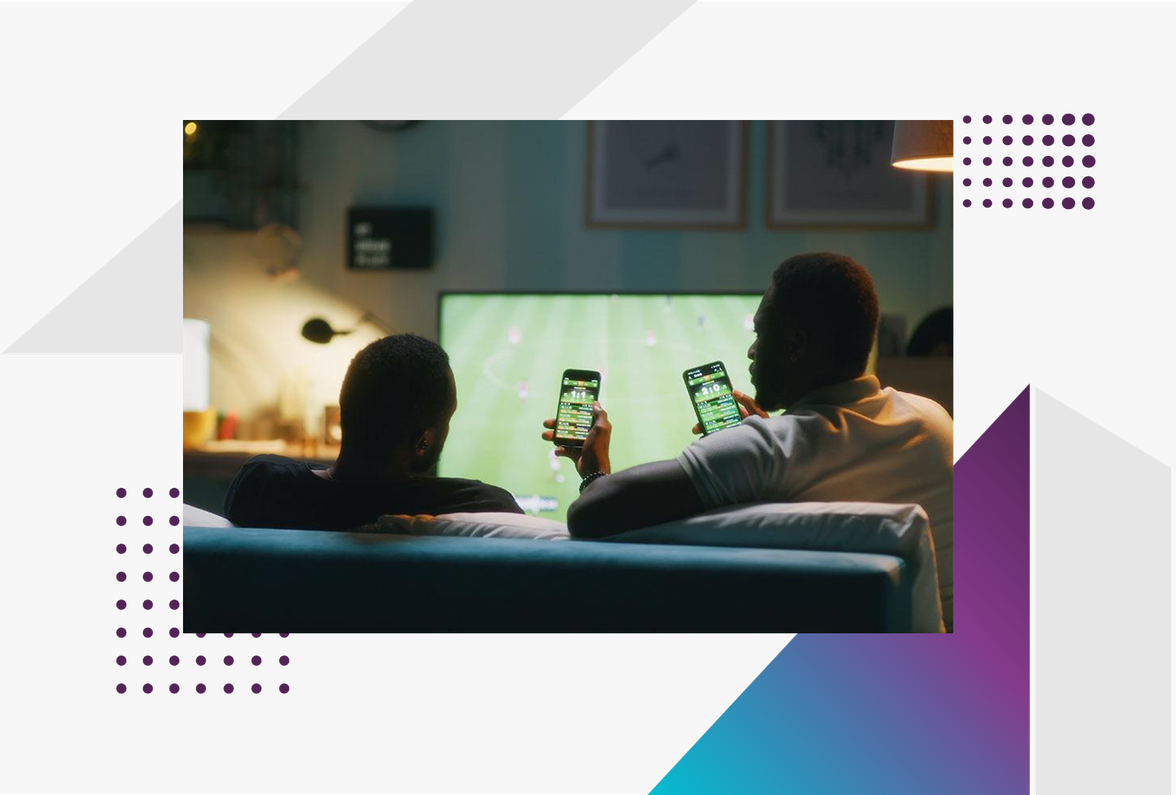
While television became the place to watch the match, social media became the place to experience it. Consumers weren't simply following the action on one screen. They were watching live broadcasts while simultaneously checking scores, reacting to key moments, sharing highlights, debating decisions and discovering brands across social platforms.
The data reflects this shift. Facebook recorded the strongest increase in brand discovery, rising from 42% in May to 50% in June. Instagram also gained momentum, increasing from 35% to 41%, while TikTok maintained a strong and consistent 46%. These platforms have become an extension of the live event, turning every goal, save and controversial decision into another opportunity for brands to be seen and shared.

Outside the digital world, billboard advertising recorded one of the fastest increases in brand discovery, rising from 29% in May to 37% in June. Outdoor advertising benefits from that increased movement, reinforcing brand visibility throughout the day.
Taken together, these findings challenge one of marketing's most common assumptions. The debate is no longer about choosing between television and digital. Each channel plays a different role in the consumer journey. Television creates shared moments and delivers credibility at scale. Social media extends those moments into conversation, discovery and engagement. Outdoor advertising reinforces visibility as consumers move through their daily lives. The brands that perform best are those that connect these channels into one seamless experience rather than relying on any single platform.
For marketers, the World Cup offers a broader lesson. Major cultural events don't simply attract attention, they reshape it. Consumer attention moves rapidly across platforms, and brands that understand those shifts are better positioned to capture both awareness and action.
At Kasi Insight, we believe media planning should focus less on individual channels and more on understanding how attention flows during moments that matter. The brands that succeed will not necessarily be those with the biggest budgets, but those that recognize where consumers are looking next and show up at exactly the right moment.
In today's attention economy, that's the difference between running a campaign and becoming part of the conversation.
Kasi Insight is Africa's leading decision intelligence firm specializing in high-frequency consumer and economic data across Africa. Through its proprietary survey infrastructure and analytics platform, Kasi provides real-time insights that help organizations anticipate economic shifts, understand consumer behavior, and make better strategic decisions.
We welcome collaboration with:
Organizations interested in exploring partnerships or accessing Kasi datasets are invited to contact our research team.
📧 yannick@kasiinsight.com
75 views
One Summit, Three Narratives, One Fight for Africa
In DRC TV wins on scale, but friends and family turn exposure into belief more efficiently than any paid channel.
Nigeria’s media preferences shift toward digital trust and audience-specific engagement