Retail
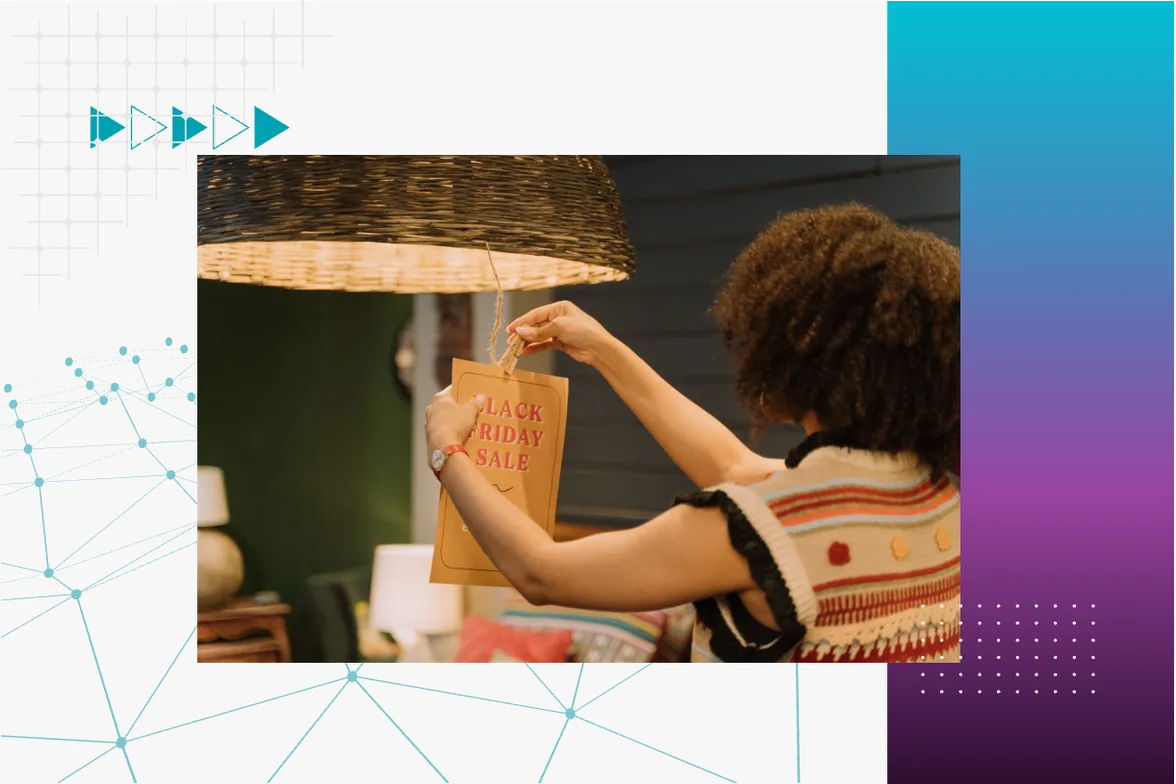
Is your Black Friday offer giving shoppers enough reason to buy?
Black Friday shoppers are hesitating over the experience, not just the price
Read the articleAnalysis from Kasi analysts, built on Kasi's own consumer data and the wider economic picture.
Black Friday shoppers are hesitating over the experience, not just the price
Read the articleHoliday spending is shifting towards household needs and gifting, but income determines who buys what
Personal Hygiene remains the strongest demand pool in Personal Care. But Skin Care, Hair Care and Beauty are gaining ground.
Most businesses will enter 2027 with a brand tracker in one hand, sales history in the other, and a set of assumptions about what happens next. The real risk is not making those assumptions. It is failing to monitor whether they are still true.
Kenya's banking sector faces the dual challenge of managing record-high non-performing loans while catering to an increasing demand for loans. Discover how banks are balancing risk and opportunity in a dynamic economic landscape.
Being a CEO in Africa presents formidable challenges. Despite progress in some areas, inadequate infrastructure, political instability, and financial constraints persist, hindering business operations and growth. In this dynamic environment, CEOs require innovative solutions to…
Inflation in Nigeria has escalated to a critical point, with the rate soaring to a staggering 29.9% in January 2024 — the highest seen since 1996. This rampant inflation is severely impacting the cost of…
Kasi Insight's Health & Wellness reveals a stark trend among Africa's youth, with high consumption of alcohol and tobacco and low physical activity, risking a surge in non-communicable diseases that could burden the continent's future health and economy.
Gender dynamics in Africa show positive shifts in decision-making, but income disparities persist. Women dominate lower income tiers, and financial priorities differ between genders, highlighting the need for diverse empowerment strategies.
January saw consumer sentiment remain at 19 points, halting its upward trend. Household indices declined, with notable drops in personal finance and discretionary spending. South Africa surged by 7 points, while Cameroon faced an 11-point setback.a
Zambia's record-high interest rates aim to curb inflation but raise concerns: consumers become cautious after four consecutive hikes, with sentiment index dropping as borrowing costs rise.
Zimbabwean households prioritize home internet, mobile phone services, and cable/satellite TV, with affordability steering higher usage rates for the former two.
The CBK's recent decision to raise the borrowing rate to 13%, aims to address inflation concerns. However, these heightened interest rates have had a negative impact on consumer confidence, as reflected in Kasi Insight's Index of Consumer Sentiment.
South Africa's beverage market witnessed a positive overall shift, marked by a 6-point increase in the demand index, with notable surges in coffee, fruit juice, and bottled water preferences, while tea experienced a significant decline.
In 2023, overall price increases decreased by 6%, with Food & Beverages leading at a 17% decline. Recreation surged by 6%, and Communication saw a dramatic 22% increase.
Cameroon's 2023 data reveals dynamic shifts between traditional and digital media preferences, starting at 57% for traditional in January, peaking at 61% for digital in March, and returning to 55% for traditional in November.
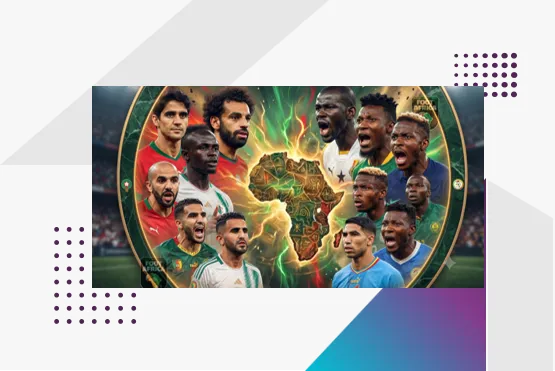
The World Cup for Africa may be over, but her journey is far from finished. For the first time in FIFA World Cup history, nine African teams progressed beyond the group stage, marking the continent's…
As the 2026 FIFA World Cup kicks off across North America, African football marks its most significant milestone on and off the pitch. Driven by the tournament's expansion to 48 teams, the Confederation of African…
Africa's Refining Paradox: Why a Continent Rich in Crude Still Imports Its Fuel By Kasi Insight Africa sits on roughly 125 billion barrels of proven crude oil reserves, about 8% of the world's total, and…
The presence of French companies in Kenya represents a strategic pivot in Africa’s geopolitical landscape. As Paris recalibrates its engagement following shifts in the Sahel, Kenya has emerged as the primary anchor for French interests…
A survey of 19 nations reveals a continent divided; not by interest, but by access Across 19 African countries, only 7.3% of consumers currently own cryptocurrency, but that average conceals a story of sharp contrasts.…
The Landscape of Meat Retail in Africa Despite the rapid expansion of modern retail formats across the continent, Africa's fresh meat trade remains anchored in specialized and traditional commerce. Analysis of consumer behavior across 20…
Across Africa, Gen Z’s bathing habits cluster into three clear market realities. In Core Daily Markets (80%+), daily showering is the default—these are high-frequency, high-reliability consumption environments where brands win by deepening value per user.…
How African Consumers are Coping with Inflation As inflationary pressures continue to reshape the economic landscape across Africa, consumers are moving beyond traditional saving methods toward more active, market-based strategies. Our latest Kasi Map, based…
Defining Africa’s Credit Narrative The story of Africa’s sovereign credit landscape in 2026 is defined by a sharp divide between a few "investment-grade" successes and a vast majority of nations struggling under the weight of…
Tariffs are a tax on imports, designed to raise the cost of foreign goods, protect domestic industries, and shift trade flows. For example, if Libya exports $1,000 worth of goods to the U.S. at a…
This analysis sheds light on the evolving relationship between G7 nations and African countries, highlighting both the goodwill that exists and the gaps that need bridging. Understanding how Africans perceive and understand the G7 is…
When we talk about global influence in Africa, the conversation often centers on political and economic dynamics - trade partnerships, infrastructure projects, public-private investments, foreign direct investments, foreign aid, IMF loans, and World Bank reforms.…
Tell us what your business needs to understand, and we'll recommend the appropriate approach.