Retail
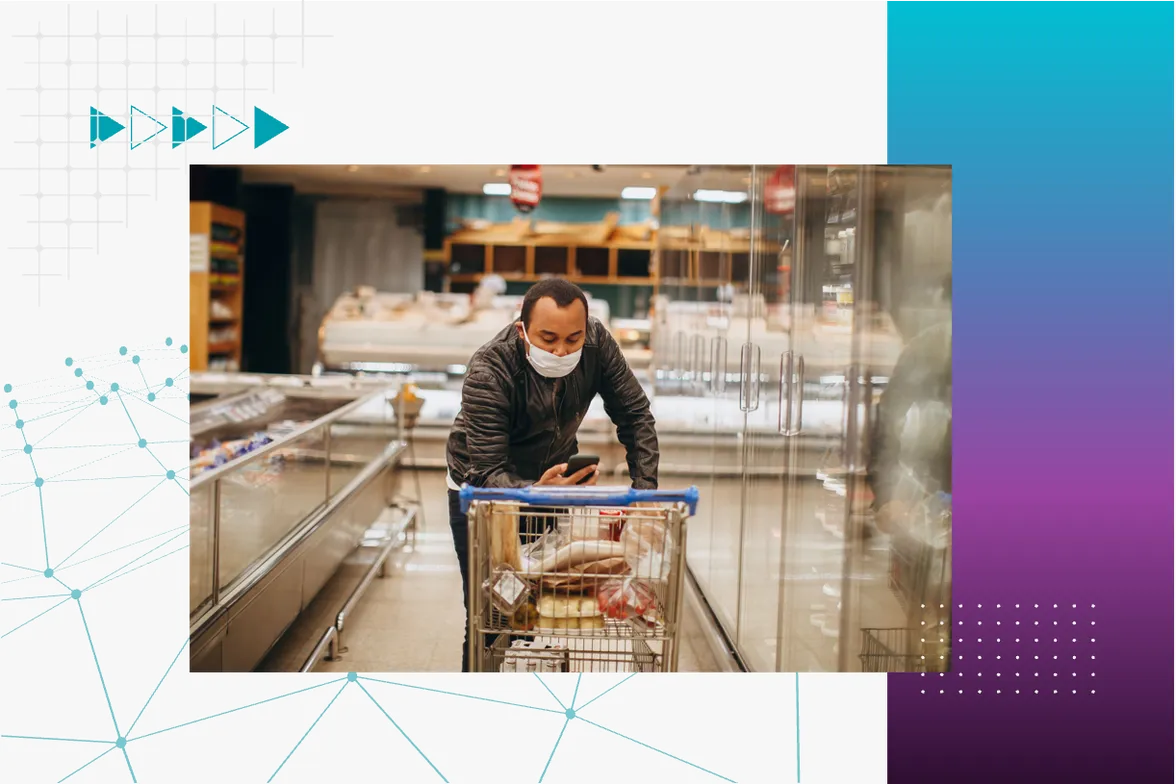
Is your Black Friday offer giving shoppers enough reason to buy?
Black Friday shoppers are hesitating over the experience, not just the price
Read the articleAnalysis from Kasi analysts, built on Kasi's own consumer data and the wider economic picture.
Black Friday shoppers are hesitating over the experience, not just the price
Read the articleHoliday spending is shifting towards household needs and gifting, but income determines who buys what
Personal Hygiene remains the strongest demand pool in Personal Care. But Skin Care, Hair Care and Beauty are gaining ground.
Most businesses will enter 2027 with a brand tracker in one hand, sales history in the other, and a set of assumptions about what happens next. The real risk is not making those assumptions. It is failing to monitor whether they are still true.
Nearly half (47%) of consumers are changing what they purchase in response to rising prices, switching to cheaper alternatives or changing their purchasing habits.
Staples are moving in different directions, protein demand is holding up in some formats but not others, while even snacks and discretionary foods are showing pockets of growth.
Food remains at the heart of inflation pressure, contributing around 40% of headline inflation in both Kenya and Nigeria, even as their headline rates move differently.
Growth depends not only on what brands offer, but on what moves consumers from consideration to action. Affordability, accessibility, trust and convenience can determine whether intent becomes conversion.
Sales, market share and brand trackers show where the business has been, but they can miss the changes happening underneath consumer behavior. Planning therefore requires a forward view of what consumers are feeling, expecting and changing now.
Africa’s consumer sentiment weakened in July, with the Kasi Index of Consumer Sentiment (ICS) falling from 5.4 in June to 2.7, keeping the continent in the slowdown regime. Beneath the headline, however, the picture is…
Consumers are adapting where, when and how they spend based on affordability, convenience and occasion. Understanding the purchase moment will matter as much as the consumer.
Most African countries still rely more on external partners, leaving regional demand and production capacity largely untapped. Stronger regional supply chains can reduce exposure to global shocks while unlocking new growth.
Africans see AfCFTA as a pathway to opportunity - with jobs, mobility, and access emerging as the real measures of whether continental integration succeeds
AfCFTA has moved beyond awareness, Africans are already expecting it to reshape their lives, but the opportunity now lies in turning understanding into participation
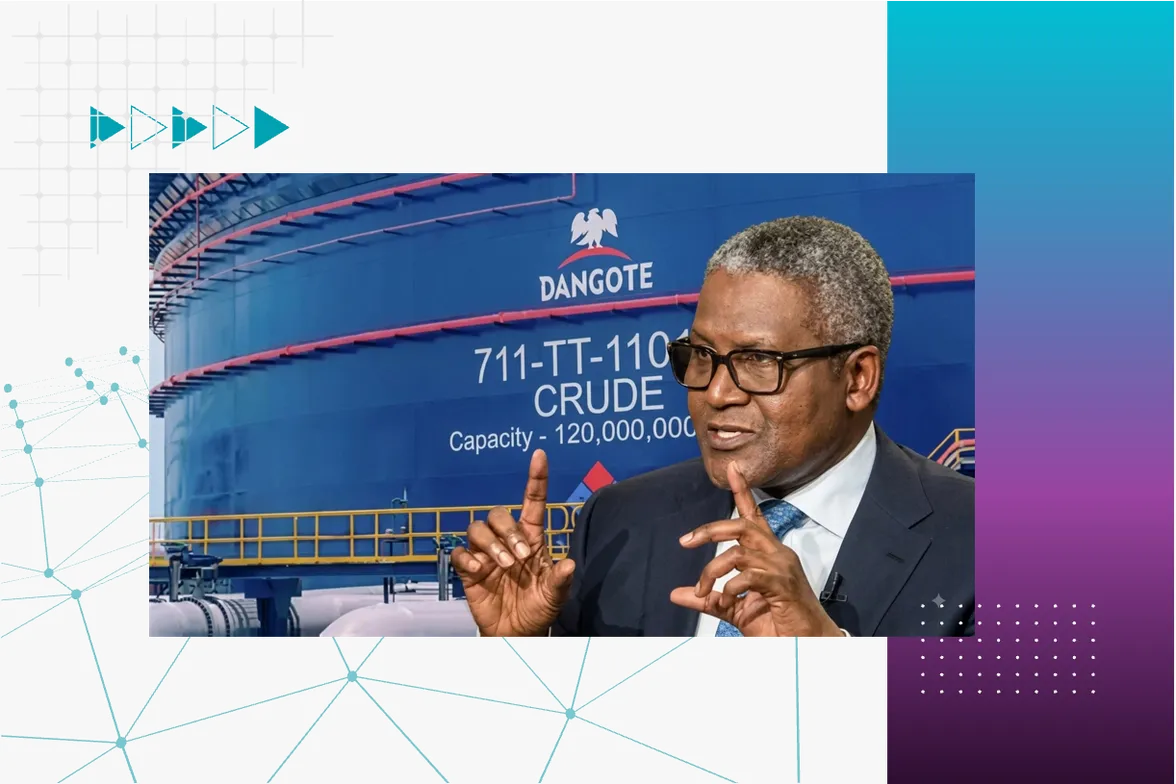
AfCFTA creates the framework, but frameworks do not move a single container across a border on their own. Businesses have to translate the agreement into shipping routes, factory investments and export contracts. Dangote Group offers…
For decades, marketers have been taught that brand loyalty is the ultimate measure of success. Companies invest millions of dollars building awareness, strengthening brand equity and increasing customer loyalty, believing that consumers who love a…
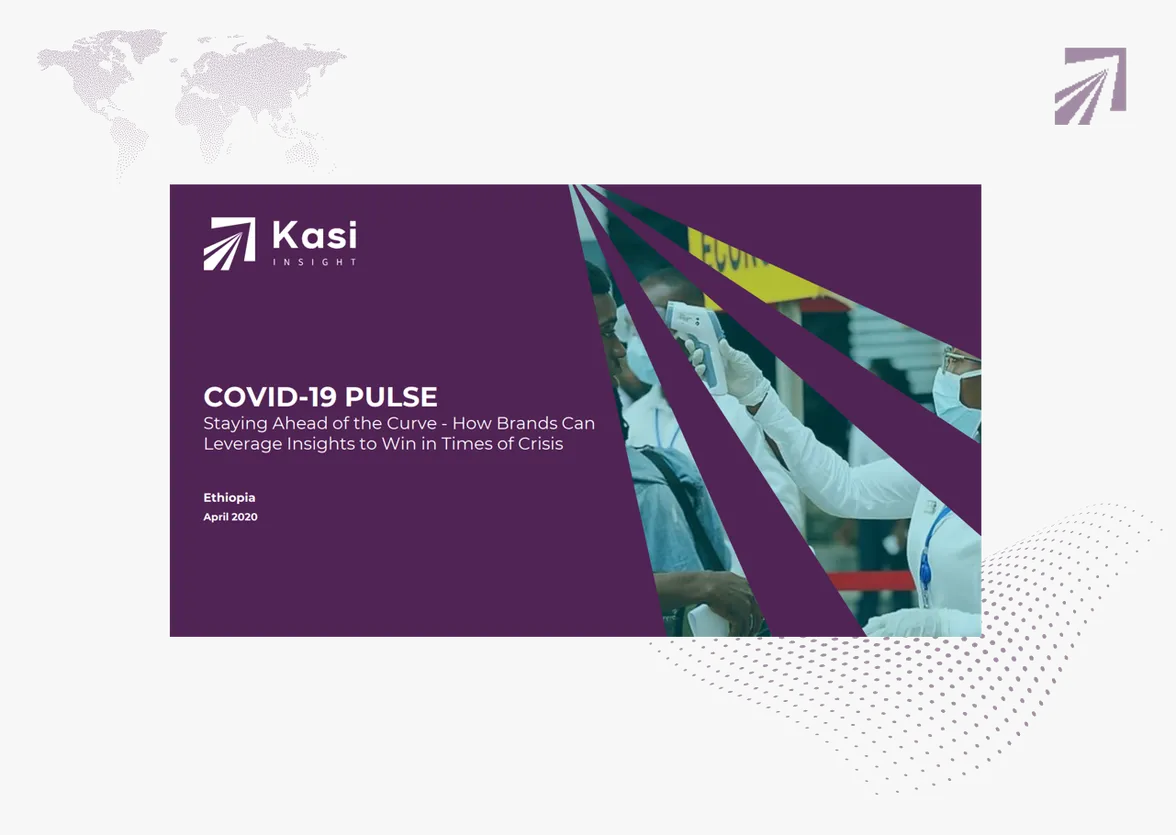
Overview The report, titled "COVID-19 PULSE: Staying Ahead of the Curve - How Brands Can Leverage Insights to Win in Times of Crisis," focuses on tracking the impact of COVID-19 on African consumers' attitudes and…
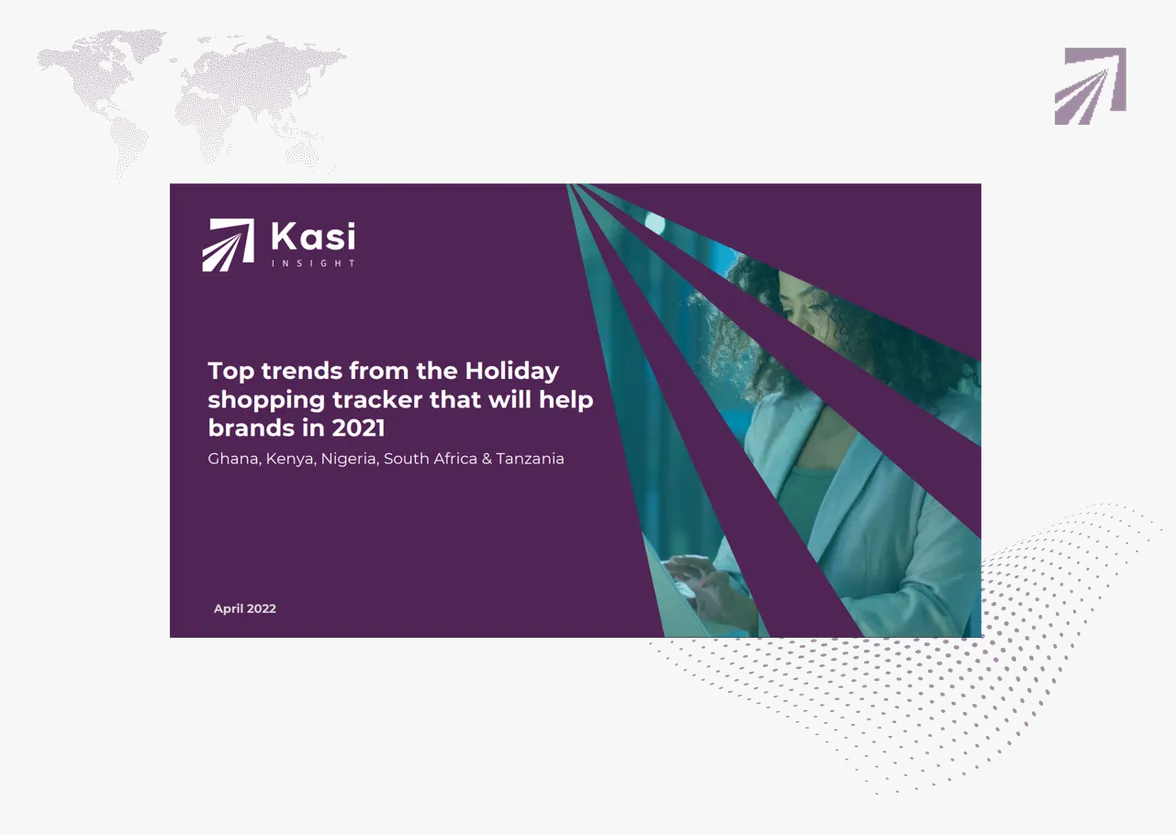
Overview The report titled "Top Trends from the Holiday Shopping Tracker that Will Help Brands in 2021" provides insights into consumer behavior during the holiday season in Ghana, Kenya, Nigeria, South Africa, and Tanzania. The…
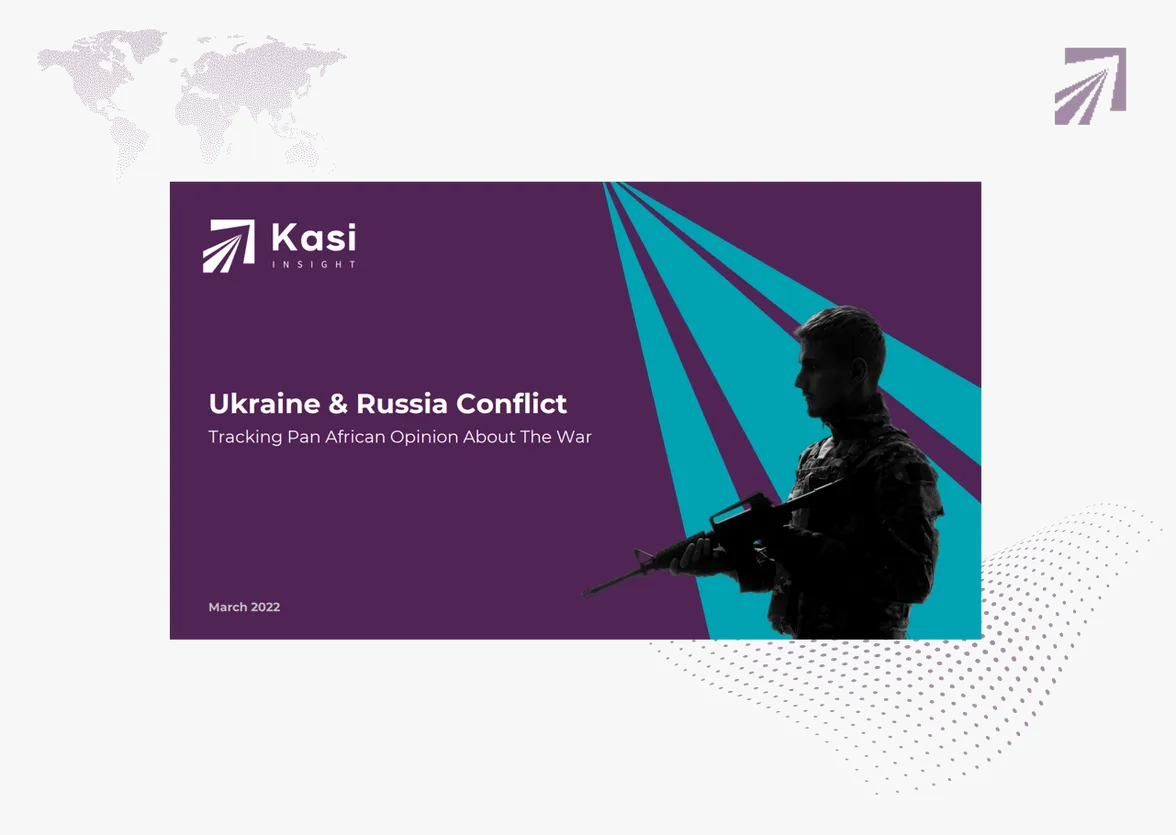
Overview The report titled "Ukraine & Russia Conflict - March 2022: Tracking Pan African Opinion About The War" provides insights into the awareness, opinions, and responses of Africans regarding the conflict between Ukraine and Russia.…
Overview The "State of Sustainability" report for January 2022 provides a comprehensive understanding of consumer perspectives on sustainability in Africa. The report delves into climate awareness, sustainability as a purchase driver, and the overall sustainability…
Overview The "Africa Is Rising or Is It?" report, authored by Yannick Lefang, Founder of Kasi Insight, delves into the dynamics of the African marketplace, exploring the factors driving and hindering its growth. Published in…
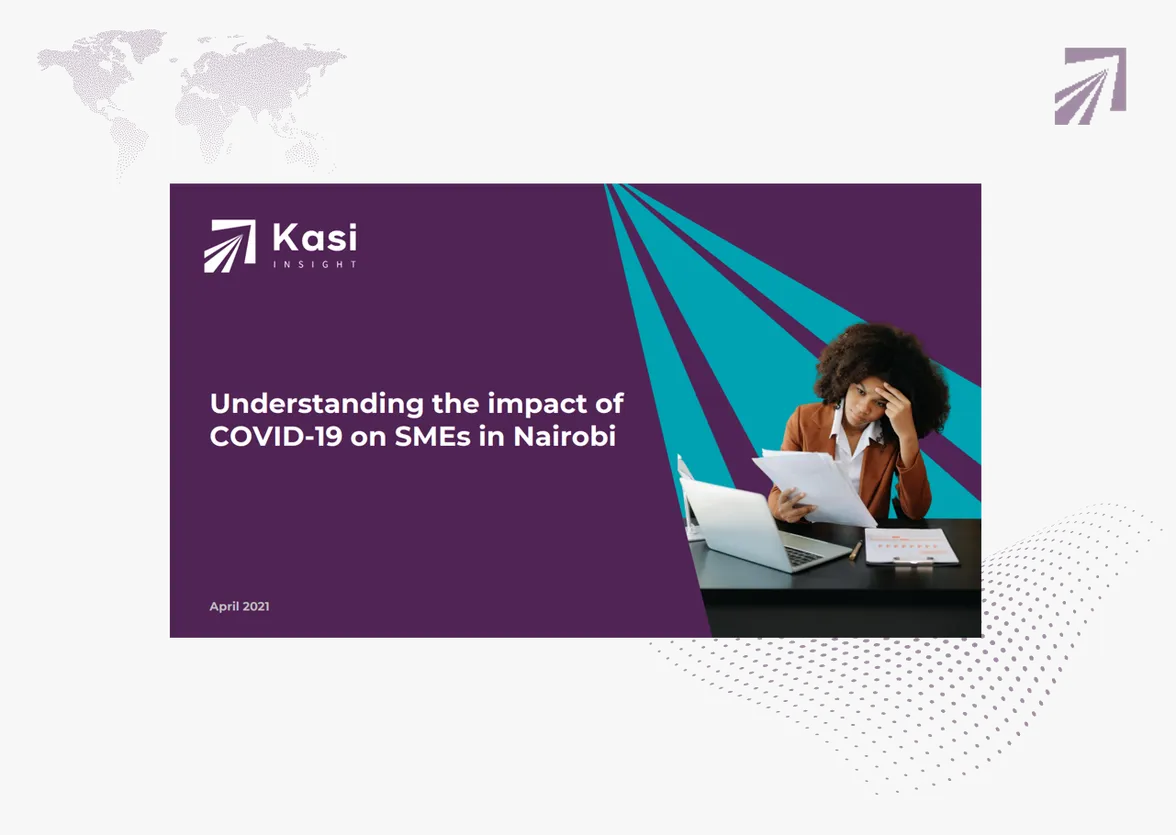
Overview The report, "Understanding the Impact of COVID-19 on SMEs in Nairobi," conducted in April 2021, delves into the economic repercussions of the pandemic on Small and Medium Enterprises (SMEs) in the Nairobi region. The…
This insightful Trendsetter Series webinar was held on February 23, 2021. This session delved into the financial implications of climate risk for institutions across Africa. Exploring the nuances of climate risk, an introduction to the…
This is a thought-provoking Trendsetter Series webinar held on February 23, 2021. The session, led by a distinguished executive in Africa, delved into the pandemic's impact on the future of work, exploring key facets. The…
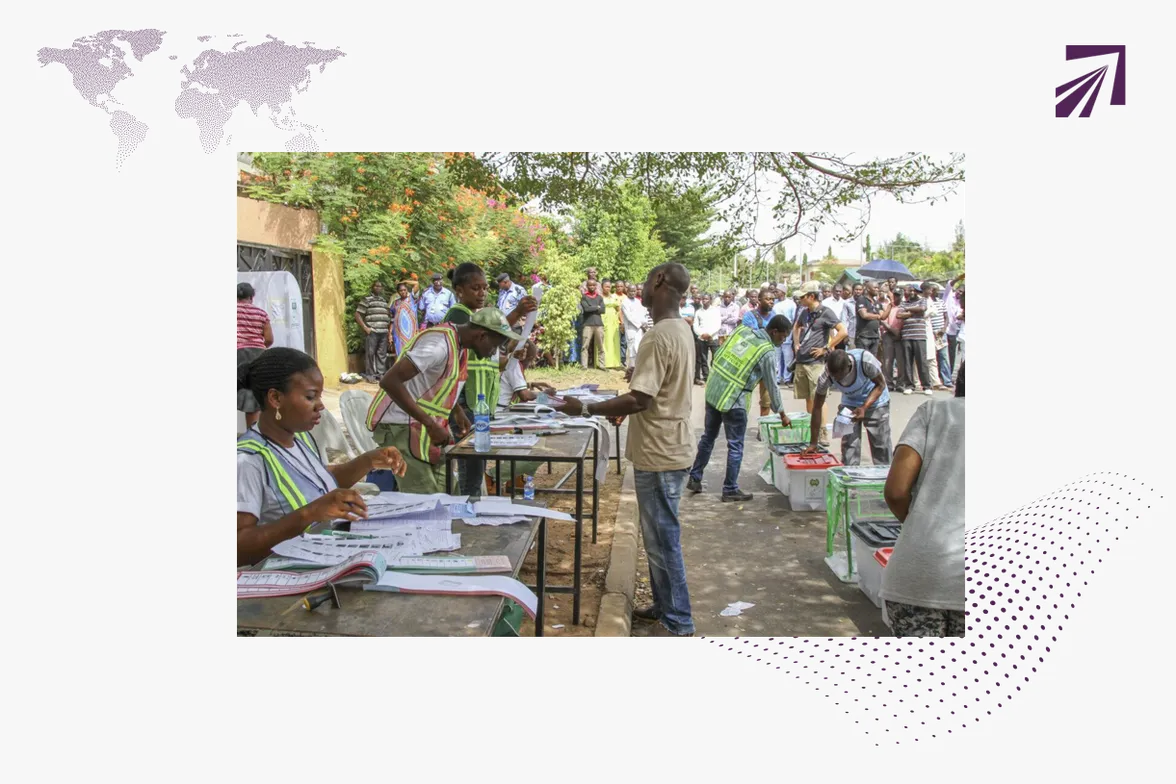
The white paper investigates the correlation between the consumer confidence index (CCI) and consumer demand during election cycles in Africa. Focused on Ghana, Kenya, and Ivory Coast, it explores how CCI acts as a predictor…
The white paper "How SMEs Can Thrive with Reliable Data," authored by Kasi Insight in August 2020, focuses on the challenges faced by African small and medium enterprises (SMEs) amidst the COVID-19 pandemic and how…
Overview The Kasi COVID-19 Webinar Report, conducted in April 2020, delves into the impact of the pandemic on African attitudes and behaviors. Kasi Insight, as Africa's leading Decision Intelligence company, utilized a comprehensive approach, combining…
Overview The Kasi COVID-19 Webinar II, conducted in April 2020, delves into the profound impact of the pandemic on daily routines and shopping habits in Africa. Kasi Insight, as Africa's leading Decision Intelligence company, employs…
Tell us what your business needs to understand, and we'll recommend the appropriate approach.