Retail
Is your Black Friday offer giving shoppers enough reason to buy?
Black Friday shoppers are hesitating over the experience, not just the price
Read the articleAnalysis from Kasi analysts, built on Kasi's own consumer data and the wider economic picture.
Black Friday shoppers are hesitating over the experience, not just the price
Read the articleHoliday spending is shifting towards household needs and gifting, but income determines who buys what
Personal Hygiene remains the strongest demand pool in Personal Care. But Skin Care, Hair Care and Beauty are gaining ground.
Most businesses will enter 2027 with a brand tracker in one hand, sales history in the other, and a set of assumptions about what happens next. The real risk is not making those assumptions. It is failing to monitor whether they are still true.
Cameroonian consumers prioritize affordable protein choices, with eggs, yoghurt, and cheese leading household purchases. Younger and low-income consumers are driving frequent protein consumption, shaping market trends.
The fall of DEI programs exposes their superficiality, signaling the need for Black communities to embrace "Do Your Own Thing" (DYOT) by prioritizing economic independence and self-sufficiency for lasting progress.
Rising prices are making it harder for nearly half of Nigerians to afford essentials, with low-income households and younger generations feeling the most strain. As inflation worsens, borrowing has become a survival strategy, especially among Millennials.
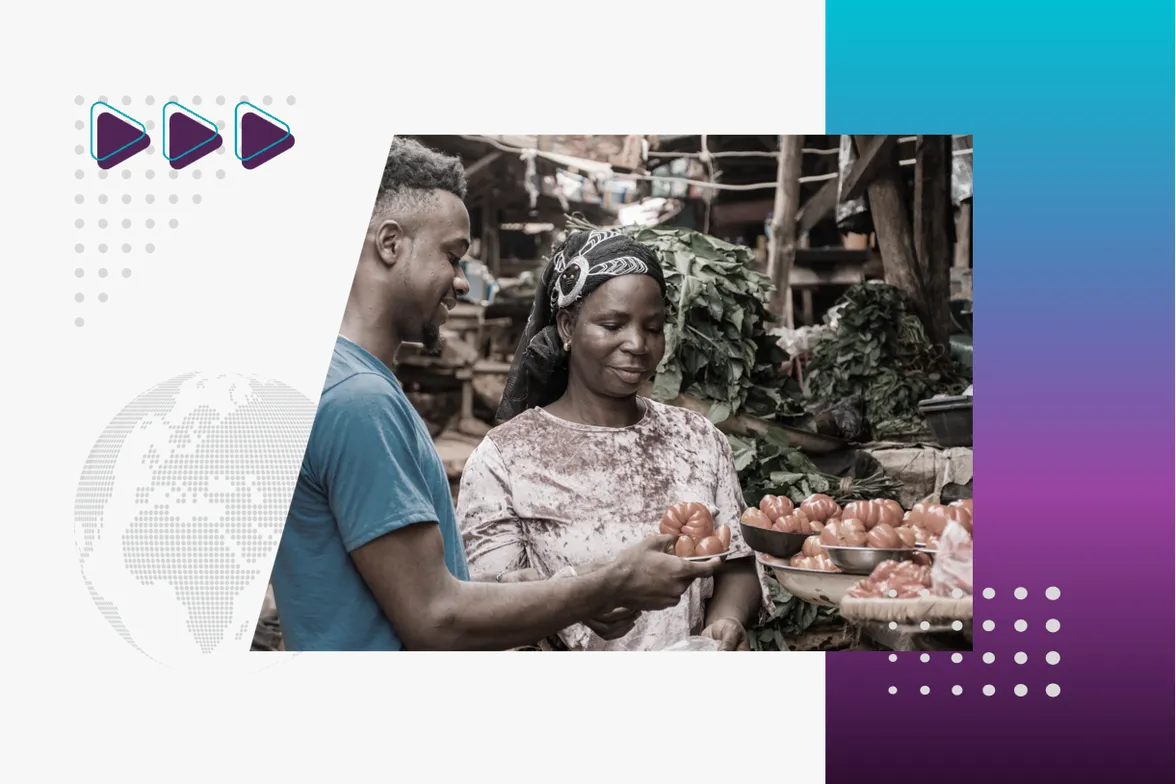
Outdoor markets dominate grocery and fresh produce shopping in Tanzania, preferred for their affordability, accessibility, and fresh offerings across diverse demographics.
Tanzania’s beverage market experienced a surge in 2024, with soft drinks and energy drinks growing over 50%. Millennials and women are driving demand, while bottled water and fruit juice remain top choices.
The Retail Demand Index reveals significant shifts in Kenya’s retail sector during H2 2024, with essentials like cleaning products and dry groceries driving growth, while Gen Z fuels demand in lifestyle categories like entertainment and alcoholic beverage
South Africa enters 2025 with cautious optimism following a historic coalition government and a year of volatile public sentiment, highlighting the urgent need for bold reforms and tangible progress.
For Africa, Trump 2.0 presents an occasion to reflect on past lessons, including the once-in-a-lifetime global convergence during the COVID-19 pandemic and the continent's relatively low casualty rate despite grim predictions.
In 2025, Africa’s consumers will navigate inflation with resilience, embrace digital platforms as trusted sources, and seek practical sustainability. Brands must align with these trends through affordability, authenticity, and innovation to thrive.
In South Africa, milk, fruit juice, and coffee dominate shopping baskets. With only 20% consuming beverages daily, brands have an opportunity to boost purchase frequency through affordable options and targeted messaging.
In December, African consumer confidence held steady at 16 points, reflecting no change from the previous month. Modest improvements in household spending and personal finances provided some optimism, but these gains were tempered by declines in other ind
Kenya’s last two years have been marked by economic strain, youth-led protests and mounting public discontent. With consumer sentiment indices like ICS dropping to -11 and ICE at a mere 5, optimism for 2025 remains bleak.
Overview This whitepaper explores the challenges Kenyan banks face in meeting the needs of Generation Z, a tech-savvy, digital-first demographic that is reshaping the landscape of financial services. The study delves into the misalignment between…
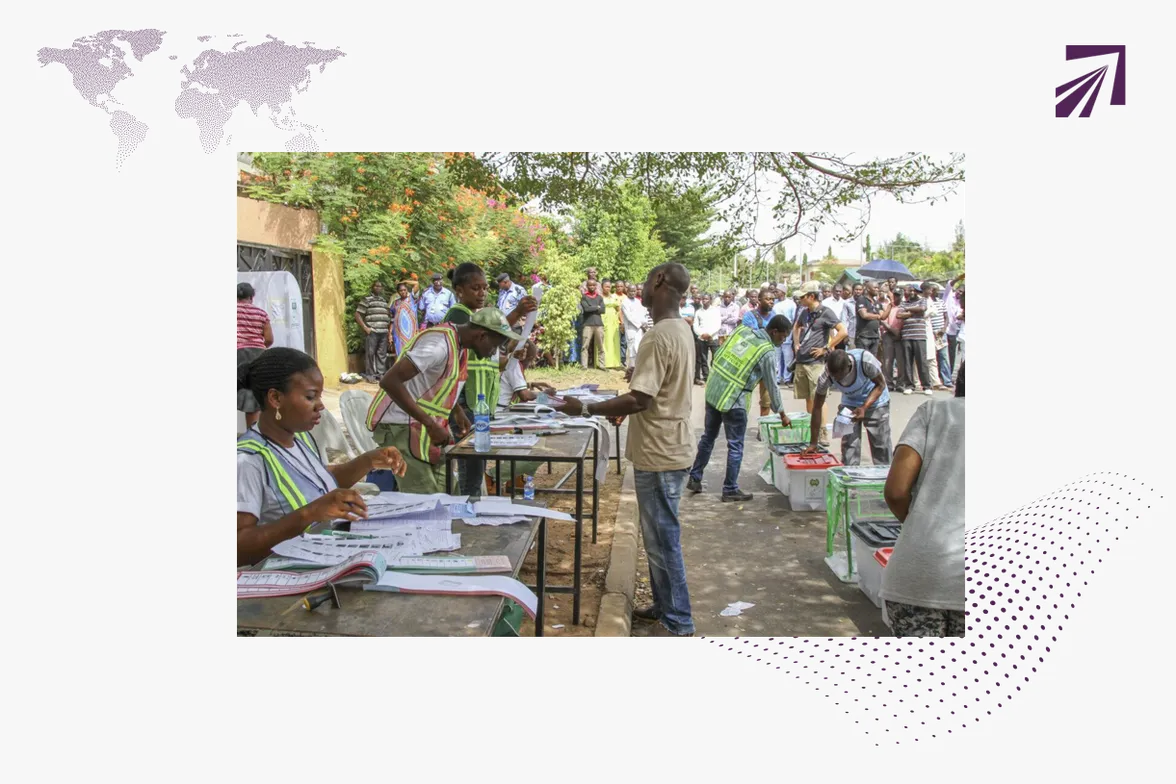
Overview The white paper by Kasi Insight examines the predictive power of consumer sentiment in forecasting election outcomes, specifically focusing on the Democratic Republic of Congo (DRC). It utilizes the Kasi Index of Consumer Sentiment…
The white paper investigates the correlation between the consumer confidence index (CCI) and consumer demand during election cycles in Africa. Focused on Ghana, Kenya, and Ivory Coast, it explores how CCI acts as a predictor…
The white paper "How SMEs Can Thrive with Reliable Data," authored by Kasi Insight in August 2020, focuses on the challenges faced by African small and medium enterprises (SMEs) amidst the COVID-19 pandemic and how…
Tell us what your business needs to understand, and we'll recommend the appropriate approach.